
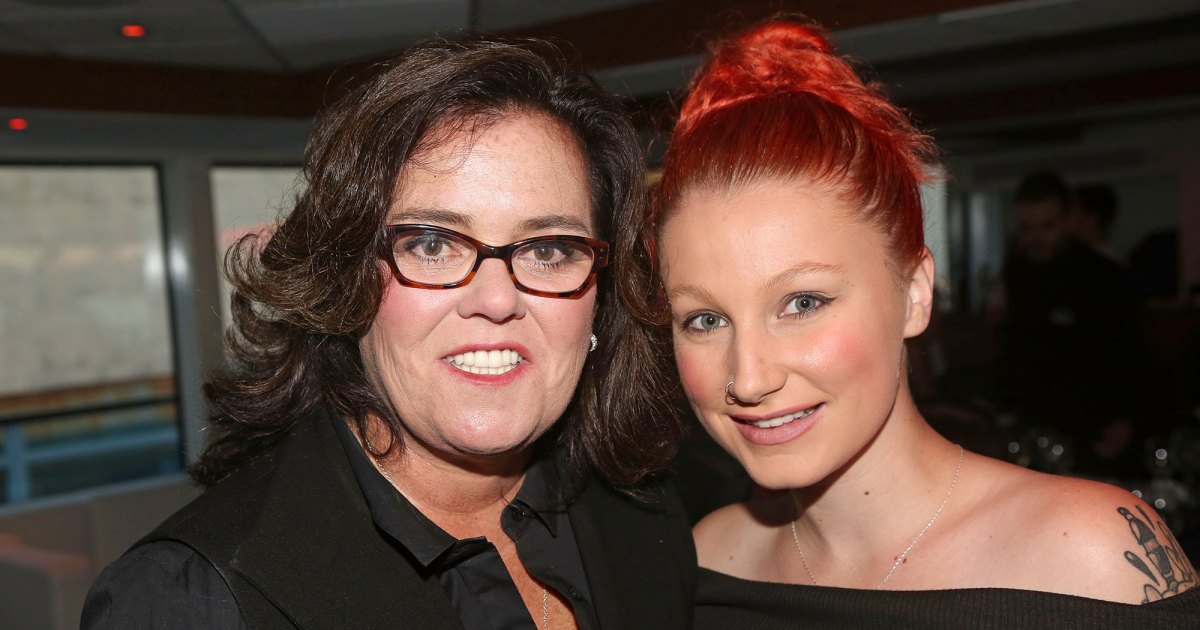
Rosie O’Donnell Opens Up About Daughter Chelsea’s Troubling Third Arrest: A Reflection on Parenting Through Adversity
In a deeply personal and candid interview, comedian and talk show host Rosie O’Donnell has opened up about the ongoing legal struggles of her daughter, Chelsea, following her third arrest in recent months. The situation has garnered significant media attention, especially considering O’Donnell’s public status and the family’s history of navigating personal challenges. As a mother, O’Donnell’s heart-wrenching reflections on the incident offer a rare glimpse into the complex world of celebrity parenting and the unique obstacles families face when dealing with mental health issues, addiction, and the criminal justice system.
While many fans are familiar with O’Donnell’s outspoken nature and advocacy work, this revelation goes beyond the usual entertainment gossip. O’Donnell’s story delves into a universal issue faced by millions of parents: how to cope with a child who is struggling with personal demons, even when those challenges play out in the harsh light of public scrutiny. In this article, we will explore the details of Chelsea’s legal troubles, the implications for O’Donnell’s family dynamics, and the broader conversation about mental health, addiction, and systemic support for at-risk youth.
The Arrests: A Timeline of Troubling Events
Chelsea O’Donnell, the 26-year-old daughter of Rosie O’Donnell, has faced repeated run-ins with the law. Her most recent arrest marks the third in a series of legal troubles that have become increasingly public in recent months. To understand the full scope of the situation, it’s important to look back at key moments in Chelsea’s history of legal entanglements:
- First Arrest: In early 2023, Chelsea was arrested on charges of disorderly conduct following an altercation at a public venue. The incident sparked concerns about her mental health, particularly as she had been dealing with significant emotional distress.
- Second Arrest: Later in 2023, Chelsea was arrested again, this time on charges related to substance abuse. Family sources indicated that Chelsea had been struggling with addiction issues, which only seemed to exacerbate the severity of her legal troubles.
- Third Arrest: Most recently, Chelsea’s third arrest occurred in late 2024 after an incident involving a public disturbance. While the specifics of the charges have not been fully disclosed, the event highlighted ongoing struggles with mental health and substance abuse.
Rosie O’Donnell has spoken publicly about the toll these incidents have taken on her family. In a raw and emotional interview, she expressed how difficult it has been to reconcile her love for her daughter with the reality of Chelsea’s actions. “It’s hard to watch someone you love make choices that hurt them and others,” O’Donnell said, emphasizing the complexities of being a parent when addiction and mental health issues are involved.
The Impact of Mental Health and Addiction
The O’Donnell family’s story is far from unique. Mental health challenges and substance abuse issues are widespread across many families, particularly among young adults navigating the pressures of modern life. According to the National Institute of Mental Health (NIMH), mental health disorders affect one in five adults in the U.S. each year, with young people particularly vulnerable to conditions like anxiety, depression, and substance use disorders.
In Chelsea’s case, the interplay between mental health and addiction has been well-documented. Experts suggest that substance abuse often stems from underlying psychological issues such as trauma, anxiety, or depression, which can become exacerbated during times of stress. This dynamic may explain some of Chelsea’s legal troubles, as well as her repeated brushes with the law.
Rosie has spoken out about the difficulty of watching her daughter struggle with these issues in public, noting that despite being in the public eye, she and her family are not immune to the everyday struggles of parenting. “There is no manual for this,” O’Donnell shared, acknowledging the confusion and uncertainty that come with trying to help a loved one facing such complex challenges.
Support Systems and Family Dynamics
One of the most important aspects of O’Donnell’s interview was her discussion of the support systems she and Chelsea have in place. While the media tends to focus on sensational aspects of the story, it is clear that O’Donnell is committed to supporting her daughter despite the obstacles they face.
- Family Support: Rosie has emphasized that her family, including her other children, has rallied around Chelsea, offering both emotional support and understanding. While difficult, the O’Donnells have worked hard to create a safe environment where Chelsea can seek help and healing.
- Professional Help: O’Donnell has publicly acknowledged the importance of therapy and professional treatment. Chelsea has been in and out of rehab programs, and O’Donnell has advocated for better mental health care for young people in particular.
- Public Stigma: Throughout the ordeal, Rosie has also highlighted the stigma that comes with mental health and addiction issues. She has used her platform to encourage greater empathy and understanding, hoping to break down the barriers that prevent many families from seeking help for fear of judgment.
Addressing the Larger Issues: The Role of the Justice System
As the O’Donnells navigate this difficult chapter, one question remains central to their story: How can the criminal justice system better serve individuals struggling with mental health and addiction issues? Chelsea’s repeated arrests have raised important questions about whether incarceration is the best solution for young adults facing these complex issues. Legal experts argue that more rehabilitation-based approaches—such as mental health courts, diversion programs, and restorative justice initiatives—are crucial in addressing the root causes of criminal behavior rather than simply punishing offenders.
In recent years, some jurisdictions have begun to embrace alternatives to traditional incarceration for individuals with mental health and addiction struggles. For example, mental health courts offer specialized services that aim to reduce recidivism by providing defendants with the tools they need to recover. Programs like these are seen as a more humane and effective response to the intersection of mental health and the criminal justice system.
The Importance of Empathy and Public Awareness
O’Donnell’s willingness to speak publicly about her family’s struggles has highlighted the need for more widespread public awareness and empathy toward those facing addiction and mental health challenges. While many may view Chelsea’s arrests through a lens of scandal, O’Donnell’s insights remind us that these are real, complex issues affecting real people. By focusing on compassion and support, society can begin to foster an environment that encourages healing rather than further stigmatizing those in need of help.
Looking Ahead: A Path to Healing
As Chelsea O’Donnell continues her journey toward recovery, her story serves as a reminder of the challenges that many families face behind closed doors. It is a poignant reminder that the road to healing is often neither linear nor easy, but with the right support, resources, and understanding, there is hope for recovery. Rosie O’Donnell’s openness about her daughter’s struggles reflects a larger, ongoing conversation about mental health and addiction, and it encourages families everywhere to seek help and to break the silence surrounding these issues.
In the coming months, Chelsea’s legal case may evolve, but one thing is clear: the O’Donnell family will continue to stand by each other, facing these difficult challenges together. Rosie O’Donnell’s public vulnerability in sharing her family’s story encourages greater dialogue about the ways society can support those battling mental health and addiction, and the ways families can navigate these hurdles with love and understanding.
Conclusion
The story of Rosie O’Donnell and her daughter Chelsea brings into sharp focus the struggles of mental health, addiction, and the criminal justice system. As Chelsea works to overcome her personal challenges, the O’Donnell family’s journey reflects the broader societal need for compassion and better resources for young people facing similar issues. By shedding light on these struggles, Rosie O’Donnell has not only offered a glimpse into her family’s life but also contributed to a much-needed conversation about how we can better support those in need.
See more The Buzz Live