
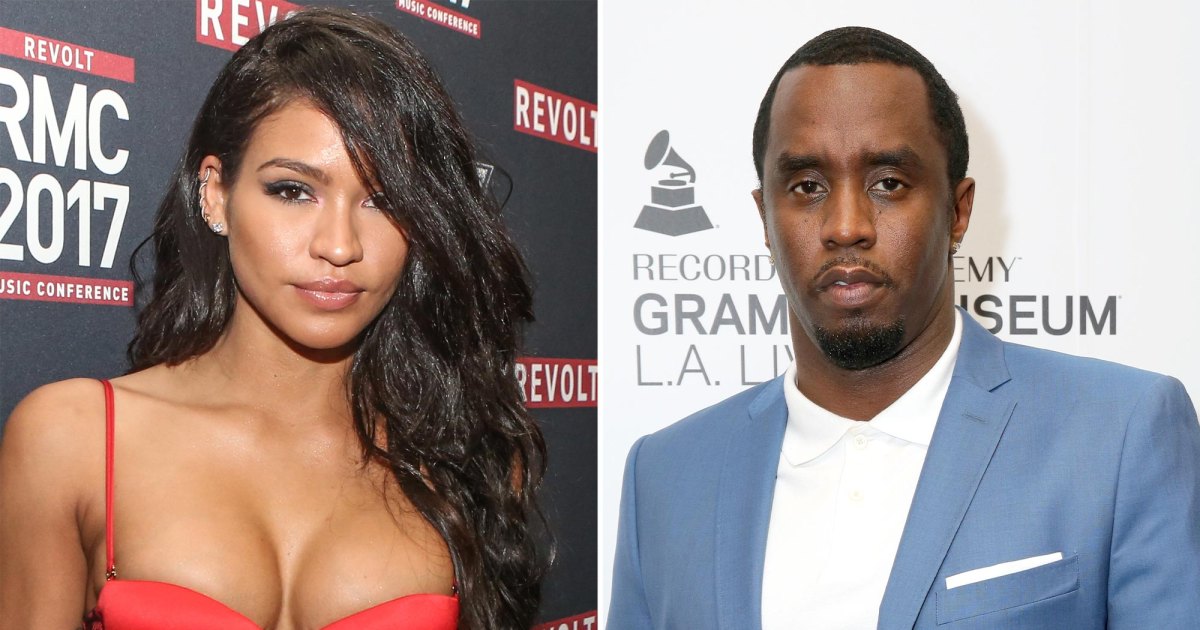
Unveiling the Shadows: Cassie’s Courageous Confession About Diddy
In a heartbreaking revelation, singer Cassie (Cassandra Ventura) has come forward with allegations of abuse against music mogul Sean “Diddy” Combs, detailing years of physical and emotional trauma. The 37-year-old artist shared in a recent interview how she hid injuries from her mother to protect her, exposing the dark underbelly of a relationship once glamorized by the public. This confession, emerging in November 2023, follows years of silence and marks a pivotal moment in the #MeToo movement’s intersection with the music industry.
The Pain Behind the Glamour: Cassie’s Harrowing Account
Cassie described a pattern of control and violence during her decade-long relationship with Diddy, which began when she was 19 and he was 37. “I became an expert at covering bruises with makeup,” she revealed, her voice trembling. “The worst part wasn’t the pain—it was pretending to my mother that I’d simply tripped or walked into a door again.”
According to the National Coalition Against Domestic Violence (NCADV), 1 in 4 women experience intimate partner violence, with only 34% receiving medical care for their injuries. Cassie’s experience mirrors this troubling statistic. She recounted specific incidents where she:
- Suffered a fractured wrist that she claimed was from “a yoga accident”
- Missed photo shoots due to facial swelling she blamed on allergies
- Developed anxiety about clothing choices that might reveal marks
The Psychology of Concealment: Why Victims Hide Abuse
Dr. Rebecca Myers, a clinical psychologist specializing in trauma, explains: “Victims often become complicit in hiding their abuser’s behavior due to complex psychological factors—shame, fear of not being believed, or even misguided protection of the perpetrator’s reputation. This creates a devastating double trauma.”
Cassie’s case highlights several red flags experts associate with abusive relationships:
- Age gap power dynamics: The 18-year difference raised early concerns among her inner circle
- Career control: Diddy’s dual role as partner and music executive created professional dependence
- Public persona disparity: Their glamorous appearances contrasted with private turmoil
Recent data from the Bureau of Justice Statistics shows that only 25% of physical intimate partner violence is reported to police, with high-profile cases facing even greater underreporting due to complex power structures.
The Industry’s Reckoning: Music World Reacts to Cassie’s Claims
As news of Cassie’s allegations spread, reactions from the entertainment industry have been polarized. While some celebrities have expressed support, others remain conspicuously silent—a dynamic familiar to #MeToo reckonings. Music journalist Terrence Williams notes: “The hip-hop community faces particular challenges addressing abuse allegations, given its historical tensions with law enforcement and complicated gender politics.”
Diddy’s representatives have issued a blanket denial, calling the claims “categorically false” and “a money-driven character assassination.” However, legal experts point to New York’s recent Adult Survivors Act—which temporarily waived the statute of limitations for assault cases—as potentially significant. “This law has already brought several high-profile cases to light,” says attorney Monica Petersen. “The timing here is noteworthy.”
Breaking the Cycle: How Cassie Found Her Voice
Cassie credits therapy and support from women’s advocacy groups with helping her come forward. “It took years to understand I wasn’t protecting anyone by staying silent—especially not my younger fans who might be in similar situations,” she said. Her decision coincides with increased scrutiny of music industry power structures following cases like R. Kelly’s conviction.
The singer’s revelations have sparked broader conversations about:
- The prevalence of non-disclosure agreements in silencing abuse victims
- The role of race in how abuse allegations are perceived
- Mental health resources for survivors in entertainment fields
According to a 2023 RAINN report, only 9% of sexual violence survivors in entertainment industries report their assaults, compared to 23% in the general population—a disparity attributed to career fears and complex power dynamics.
What Comes Next: Legal and Cultural Implications
Legal analysts suggest Cassie’s case could follow trajectories seen in other high-profile abuse allegations—either fading from public attention or catalyzing broader change. “We’re at an inflection point,” notes cultural critic Janelle Henderson. “The music industry can either evolve its treatment of women or face increasing public backlash.”
For survivors and advocates, Cassie’s story represents both caution and hope. Domestic violence hotlines reported a 27% increase in calls following her interview—a common “celebrity disclosure effect” observed after high-profile revelations. As the National Domestic Violence Hotline emphasizes: “One person’s courage often becomes many people’s lifeline.”
Readers affected by similar issues can contact the National Domestic Violence Hotline at 1-800-799-SAFE (7233) or visit thehotline.org for confidential support. In an industry where image often overshadows reality, Cassie’s truth-telling may prove more than personal catharsis—it could help rewrite the script for future generations.
See more The Buzz Live