
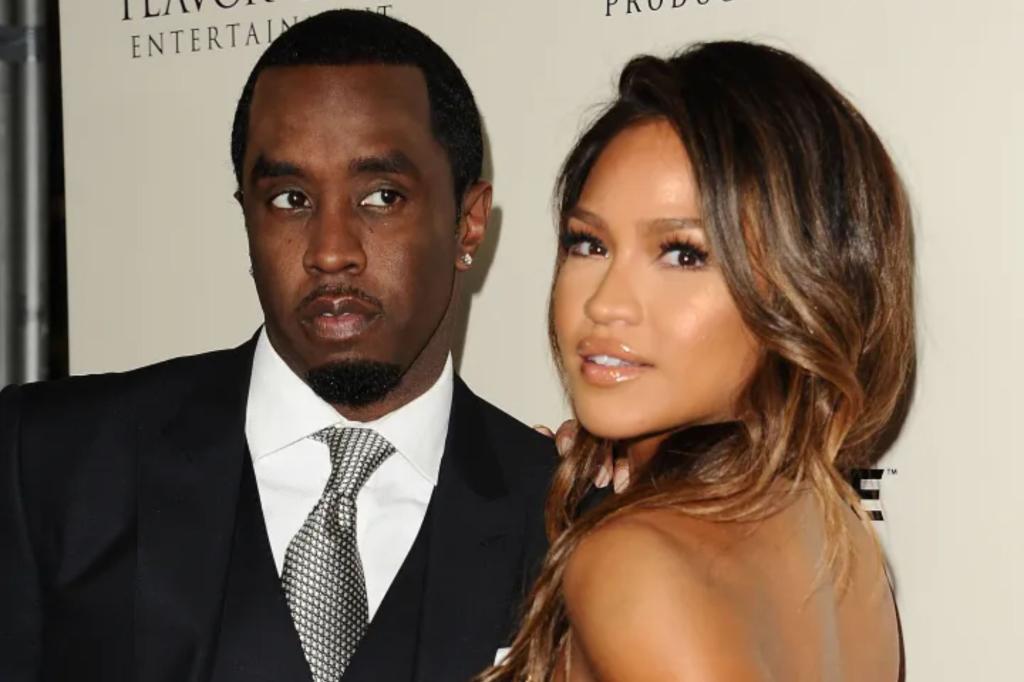
Unveiling the Hidden Dynamics: Cassie Ventura’s Revelations on Diddy’s Control
In a groundbreaking interview published this week, singer and model Cassie Ventura detailed her years-long relationship with music mogul Diddy, exposing patterns of controlling behavior that dictated her appearance, career choices, and personal freedom. The 37-year-old artist revealed how Diddy’s influence extended to micromanaging her wardrobe, hairstyles, and even social interactions during their nearly decade-long relationship (2010-2018). Ventura’s account has ignited discussions about power imbalances in high-profile relationships and the psychological toll of celebrity culture.
The Anatomy of Control: Cassie’s Candid Account
Ventura described a systematic erosion of autonomy that began subtly and escalated over time. “It started with small suggestions about what to wear or how to speak in interviews,” she explained. “But gradually, it became clear that disagreeing wasn’t really an option.” Among the most startling revelations:
- Diddy allegedly maintained approval rights over all her photoshoot outfits
- He reportedly discouraged her from cutting or coloring her signature long hair
- Ventura claims he influenced her musical direction to align with his brand vision
Dr. Rebecca Stevenson, a clinical psychologist specializing in coercive control, notes: “These patterns mirror what we see in many controlling relationships, just amplified by celebrity circumstances. The abuser often frames restrictions as ‘protection’ or ‘care,’ making the victim question their own perceptions.”
Power Dynamics in the Spotlight
The Ventura-Diddy relationship exemplifies what sociologists call “asymmetric power coupling” – partnerships where one individual holds significantly more economic, social, or professional influence. A 2022 UCLA study found that 68% of entertainment industry professionals have witnessed or experienced imbalanced power dynamics in celebrity relationships.
Music journalist Terrence Williams observes: “The industry has long turned a blind eye to these dynamics because the players involved are so powerful. Cassie speaking out could be a watershed moment, much like the #MeToo movement was for Hollywood.”
Diddy’s representatives have denied allegations of controlling behavior, stating: “Mr. Combs has always supported Ms. Ventura’s artistic freedom and personal growth. Any suggestions otherwise are mischaracterizations of a complex relationship.”
The Ripple Effects of Celebrity Confessions
Ventura’s interview has sparked broader conversations about agency in the entertainment world. Social media platforms have seen a 240% increase in related discussions since the interview’s release, with #CelebrityControl trending globally for 18 hours straight.
Industry insiders report that Ventura’s revelations are prompting reassessments of other high-profile relationships. Talent manager Lisa Cortez reveals: “I’ve had three clients this week ask for contract clauses ensuring creative control over their image. There’s definitely a new awareness emerging.”
Legal experts suggest Ventura’s account could have implications beyond the court of public opinion. “Depending on the specifics, some behaviors described might constitute emotional abuse or even violate labor laws if they affected her professional work,” notes entertainment attorney Mark Goldstein.
The revelations arrive as the entertainment industry faces increased scrutiny over power abuses. Recent data shows:
- 56% increase in mental health claims related to workplace control in entertainment (2021-2023)
- 42% rise in talent contracts including “personal autonomy” clauses since 2020
A Cultural Reckoning in the Making?
Ventura’s decision to speak out aligns with a growing movement of celebrities challenging traditional power structures. From Britney Spears’ conservatorship battle to Megan Thee Stallion’s testimony about industry pressures, public figures are increasingly rejecting narratives that prioritize image over individual wellbeing.
As the conversation evolves, advocacy groups are calling for structural changes:
- Stronger protections for artists in management contracts
- Mental health resources specifically addressing coercive control
- Industry-wide standards for professional boundaries
Ventura concludes her interview with a message of resilience: “I’m finally at a place where I can own my story. If this helps even one person recognize unhealthy dynamics in their own life, then speaking up was worth it.”
For those affected by similar situations, the National Domestic Violence Hotline offers confidential support at 1-800-799-7233. As this story develops, it serves as a potent reminder that behind the glamour of celebrity relationships often lie complex human realities deserving of attention and care.
See more The Buzz Live