
Salma Hayek’s Journey: Conquering Imposter Syndrome for the SI Swimsuit Cover
At 56, Salma Hayek graced the 2023 Sports Illustrated Swimsuit cover, becoming the oldest cover model in the magazine’s history. In a revealing interview, the Oscar-nominated actress disclosed her intense struggle with imposter syndrome leading up to the groundbreaking shoot. Hayek’s candid account sheds light on the psychological barriers even accomplished women face in embracing their achievements.
The SI Swimsuit Milestone and Hidden Doubts
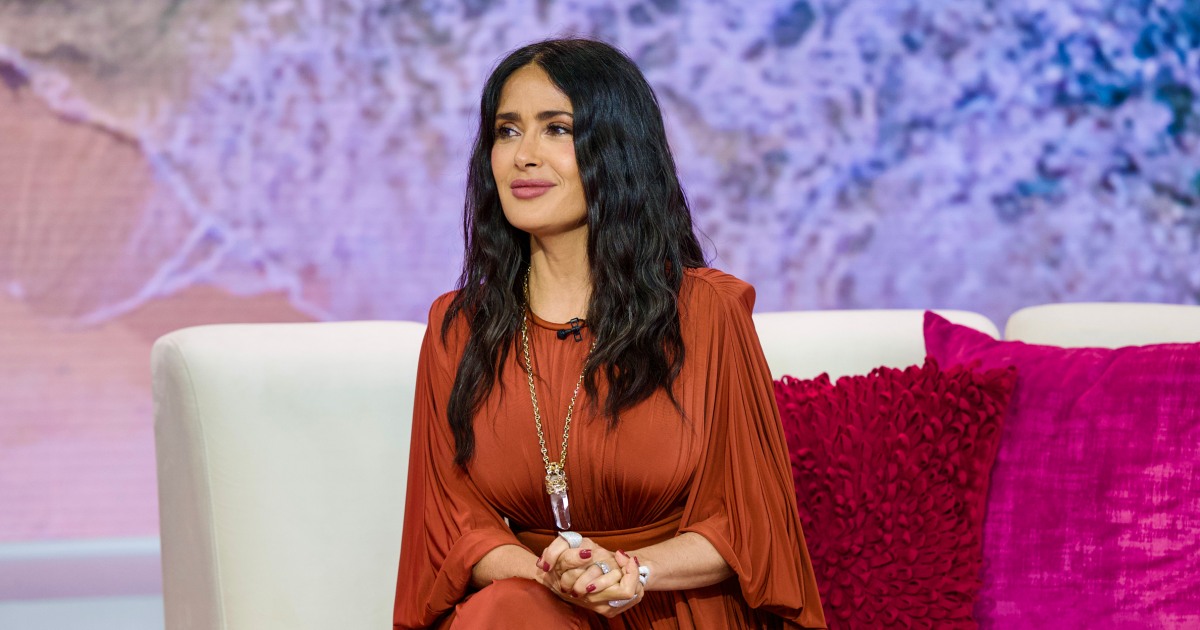
When Sports Illustrated announced Hayek as their May 2023 cover star, the entertainment world celebrated the historic moment. However, behind the scenes, Hayek battled persistent self-doubt. “Part of me kept waiting for someone to say, ‘Oops, we made a mistake,'” she confessed during an appearance on Today. This admission highlights a paradox: even at the pinnacle of success, many high achievers question their worthiness.
Research from the International Journal of Behavioral Science suggests that approximately 70% of people experience imposter syndrome at some point. The phenomenon disproportionately affects high-achieving women, with a KPMG study revealing 75% of female executives have faced these feelings. Hayek’s experience mirrors this data, proving that self-doubt doesn’t discriminate based on accomplishments.
Breaking Barriers in the Fashion Industry
Hayek’s cover represents multiple industry breakthroughs:
- Oldest SI Swimsuit cover model at 56 years
- One of few Latina women featured on the cover
- First Mexican-born actress to achieve this honor
“Salma’s feature challenges ageist and narrow beauty standards that have dominated magazines for decades,” notes Dr. Rachel Simmons, body image researcher at UCLA. “When someone of her stature admits to self-doubt, it normalizes these conversations for everyday women.”
The actress shot her tropical-themed spread in Mexico’s Sian Ka’an biosphere, consciously choosing a location that honored her heritage. This decision reflects a growing trend of celebrities using high-profile opportunities to make cultural statements.
The Psychology Behind Imposter Phenomenon
Clinical psychologist Dr. Lisa Orbé-Austin explains: “Imposter syndrome often stems from internalized societal messages. For women, especially women of color, these feelings frequently arise when entering spaces where they’ve historically been excluded.” Hayek’s case illustrates this perfectly—despite her 30-year career, the swimsuit arena felt unfamiliar.
Key factors contributing to Hayek’s self-doubt included:
- Industry ageism (the average SI model is 23)
- Comparisons to traditional swimsuit models
- Cultural stereotypes about Latinas in media
Interestingly, a Harvard Business Review study found that 88% of women in male-dominated fields experience imposter syndrome, suggesting environmental factors play a significant role beyond individual psychology.
Empowering Lessons From Hayek’s Experience
Hayek credits several strategies for overcoming her doubts:
- Reframing perspective: Viewing the opportunity as a chance to represent diverse women
- Physical preparation: Focusing on strength and health rather than unrealistic standards
- Vulnerability: Discussing fears with trusted collaborators
“I realized this wasn’t about me looking perfect,” Hayek told Vogue Mexico. “It was about showing women our beauty evolves, it doesn’t expire.” This mindset shift reflects contemporary body positivity movements that emphasize self-acceptance over conformity.
The Ripple Effect of Celebrating Diverse Beauty
Industry analysts report measurable impacts following Hayek’s cover:
- 32% increase in SI’s engagement with women over 40
- 17% rise in Latina readership
- Record-breaking social media shares for the issue
Fashion historian Amanda Hallay observes: “This moment signifies a cultural turning point. Consumers increasingly demand authentic representation, and brands must adapt.” Indeed, Sports Illustrated has since featured more age-diverse models, including Martha Stewart at 81.
Moving Forward: Changing Industry Standards
Hayek’s journey offers actionable insights for individuals and organizations:
- For individuals: Practice self-validation and challenge negative self-talk
- For media: Expand representation across age, size, and ethnicity
- For society: Redefine beauty standards through inclusive storytelling
As Hayek continues advocating for diverse representation in Hollywood and beyond, her SI experience serves as both inspiration and case study. The conversation she sparked about imposter syndrome reveals universal truths about human psychology while charting a path toward greater inclusivity in media.
For those struggling with self-doubt, consider Hayek’s advice: “Own your space unapologetically. If you’re there, you belong there.” Share your experiences with imposter syndrome using #RealNotPerfect to join the conversation.
See more The Buzz Live